Implant safety
Breast implant safety, in plain language
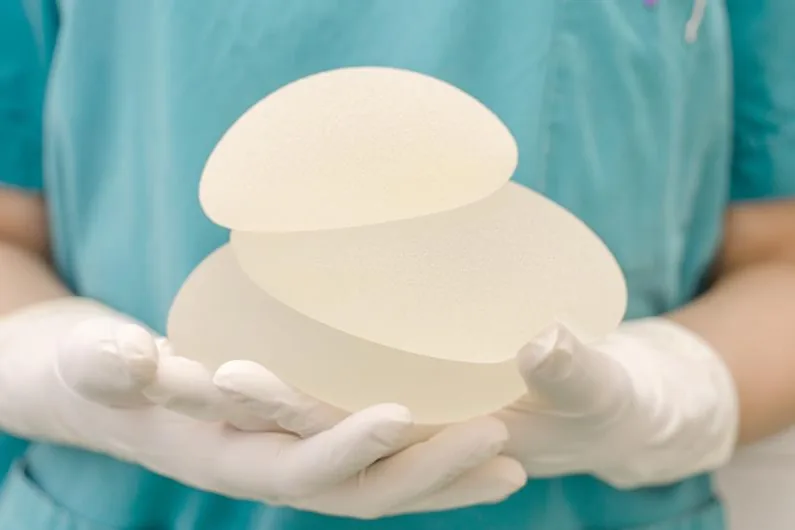
Breast implants are FDA-approved medical devices, but they aren’t lifetime devices, and every implant carries risks. The most common problem is capsular contracture. Others include rupture, the need for more surgery, and rare conditions such as BIA-ALCL. Knowing the warning signs and keeping up with follow-up care makes a difference.
Risks of any breast surgery
Like any operation, augmentation carries general surgical risks:
- Reactions to anesthesia
- Bleeding
- Infection
- Poor wound healing and scarring
- Changes in breast or nipple sensation
Choosing a board-certified plastic surgeon and an accredited facility, and following your recovery instructions closely, helps keep these risks low.
Capsular contracture
Your body forms a thin capsule of scar tissue around every implant. In some people that capsule tightens over time, and the breast can feel firm or painful or look distorted.
Surgeons grade it from I to IV on the Baker scale. Grades III and IV usually need surgery, either to remove the capsule and replace the implant or to remove the implant altogether. Capsular contracture is a leading reason for a second operation.
Rupture and deflation
A saline implant that leaks deflates noticeably, and the body absorbs the salt water. A silicone rupture is often silent: the gel may stay inside the scar capsule or move beyond it.
That’s why the FDA recommends an ultrasound or MRI five to six years after silicone implant surgery, then every two to three years.
Planning for future surgery
Implants aren’t designed to last a lifetime. Many people keep them for 10 to 20 years, and the longer you have them, the more likely another operation becomes, whether for a complication or because your goals change.
Since 2021, the FDA has required that anyone considering breast implants receive a patient decision checklist to read and discuss with their surgeon before surgery.
BIA-ALCL, a rare lymphoma
Breast implant–associated anaplastic large cell lymphoma (BIA-ALCL) is a rare cancer of the immune system, not of the breast tissue itself. It develops in the fluid or scar tissue around an implant.
It has been linked mainly to textured implants and usually shows up as persistent swelling years after surgery. Caught early, it is typically treated by removing the implant and the surrounding capsule.
Breast implant illness
Breast implant illness (BII) is a name some patients use for symptoms they link to their implants, such as fatigue, joint and muscle pain, memory problems, and “brain fog.” There is no test that diagnoses it, research hasn’t shown that implants cause these symptoms, and studies are ongoing.
Some people with these symptoms choose to have their implants removed and report feeling better afterward. If you have a personal or family history of autoimmune disease, raise it at your consultation before getting implants.
Removal and en bloc capsulectomy
Implants can be removed with or without replacement. In an en bloc capsulectomy, the surgeon removes the implant and its scar capsule together, in one piece, so the contents of a ruptured implant stay contained.
It’s often considered for capsular contracture, a silicone rupture, or concerns about breast implant illness. It is usually an outpatient operation of about two hours, through a somewhat longer incision than the original, and most people are back at work within a week. It isn’t possible in every case, for example when the capsule is very thin or attached to tissue that can’t safely be removed.
Afterward, some people choose new implants, fat grafting, or a lift to reshape the breast.
When to call your surgeon
Don’t wait for your next follow-up if you notice:
- New or persistent swelling around an implant, especially years after surgery
- A breast that becomes hard, painful, or changes shape
- A sudden drop in size, which can mean a saline implant has deflated
- Redness, warmth, or fever while you’re recovering
Sources: U.S. Food and Drug Administration; American Society of Plastic Surgeons.
Plan for the long term from the first consultation
Ask your surgeon how they monitor implants over time, and what happens if you need another operation.